

Column
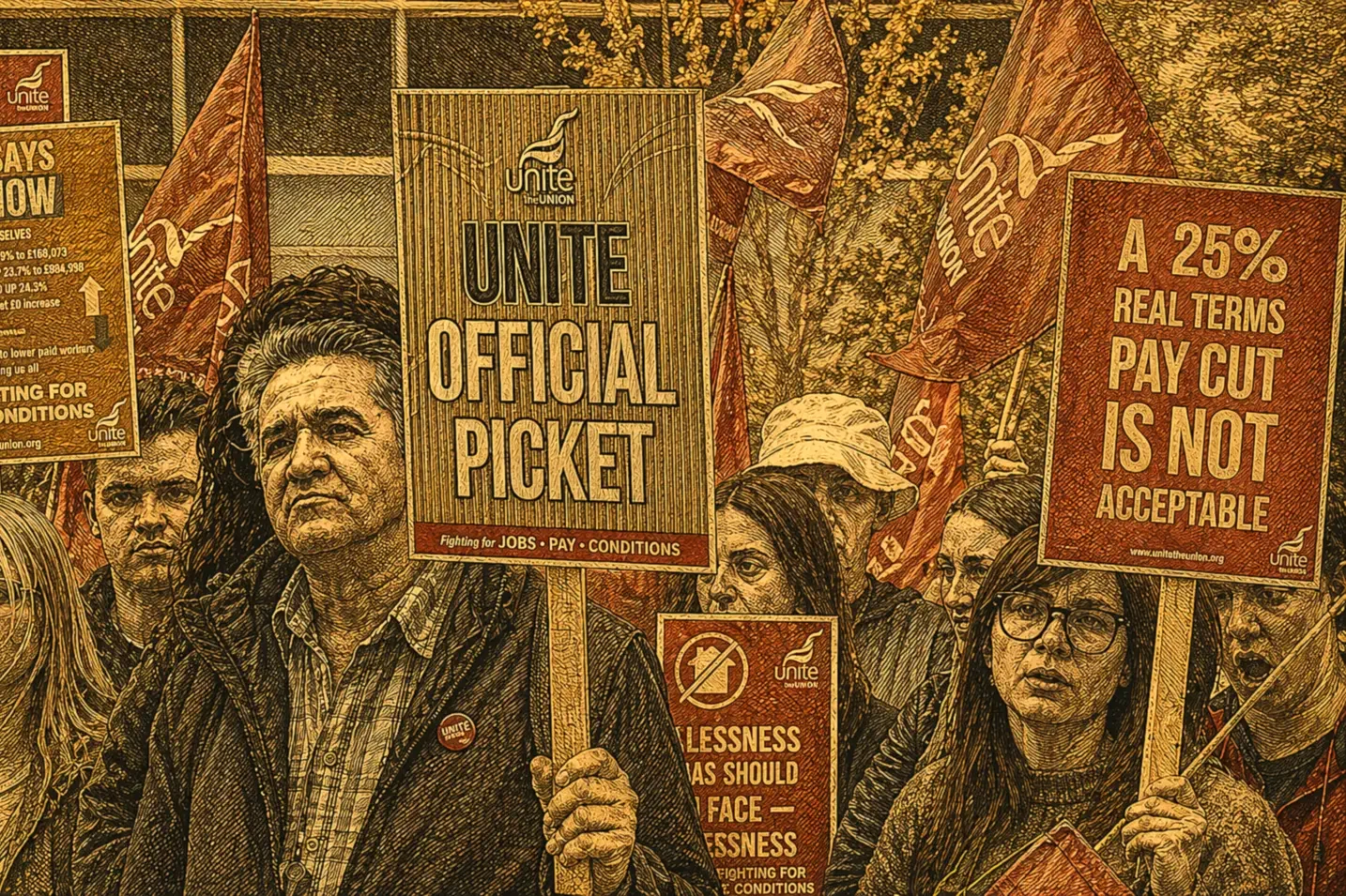
AI-Driven Power Dynamics: A New Era in the Long History of U.S. Labor Rights
The article argues that today’s difficult job search is not a temporary Gen Z shock but a structural shift in bargaining power toward employers as AI reduces labor demand. After the post-COVID tech hiring boom, overhiring unwound into layoffs and tighter openings. Long jobless spells and weak outside options make workers quieter at work. As automation substitutes for routine tasks, workers accept weaker pay and terms, cling to jobs out of fear and report burnout.
It situates this in a longer U.S. arc where labor protections expanded in the mid-20th century then eroded after the 1980s as unions weakened and capital gained leverage. AI is framed as an accelerant that can decouple growth and profits from job creation. The piece calls for policy responses including UBI, UBE and sovereign wealth dividends to restore baseline security and worker bargaining power.
The Limitations of Means Tested Programs: Unemployment Benefits Won’t Solve Job Seekers' AI-Driven Labor Market Struggle
The article argues that rising inequality and longer jobless spells are exposing the limits of means-tested support. Unemployment Insurance reduces poverty, but weekly benefits rarely match living costs and coverage often ends before many searches do. Programs like the EITC require recent earnings, so households can fall through gaps once UI expires, even with other safety-net programs.
It argues that baseline security should be a rule, not an exception tied to narrow eligibility windows. The alternative is a three-part architecture with a UBI that avoids cliffs and time limits, UBE that offers a standing public job option and sovereign wealth dividends that return part of AI-linked tax gains. Firms can train graduates and hire more deliberately, but the core claim is that durable protection in an AI labor market requires policy.

The Degree as a Weakening Signal: Companies Want AI-ready Grads, but Students Aren’t Prepared
The article argues that the signaling power of a college degree is weakening as AI reshapes hiring today. Employers want graduates who can ship fast, coordinate AI tools across workflows, and apply human judgment with customers. Degree titles matter less than proof through projects and outcomes, which creates a trap for new grads who need jobs to earn the experience that jobs now demand.
It reframes the college choice for students and families as a cost-benefit problem. College can still buy time, networks, and a portfolio, but tuition and debt make prestige a risky default when nondegree paths can offer stability. The piece argues firms must stop treating graduates as liabilities and build clear training pipelines to create "AI-ready" talent. Even that is incomplete without policy that protects living standards as the degree-to-job pipeline breaks.

Pack Your Schedule or Sharpen Your Positioning? Skills High School Students Can Develop in the Age of AI
The article argues that AI is shrinking the value of credentials, so students should avoid resume-stuffing and focus on durable signal. In a world of scarce attention, clear positioning often beats more APs. It highlights two skills. Students need to state how they create value with proof, and ask sharp questions that reveal where opportunities are forming.
For the first, students pick an area, learn the basics, ship a small project, and share their work in a consistent public narrative that cuts through AI noise. For the second, they talk to practitioners, track where startups are hiring, and reach founders before roles hit public job boards and AI filters. The piece urges a few focused hours each week that compound over time, while noting that schools and policymakers still bear responsibility for the wider labor market shock.

Grit Won’t Solve Students’ Labor Market Challenges: Redefining Merit and Success for the Younger Generation
The article argues that young people are being set up by outdated social norms that still equate “success” with a prestigious, degree-dependent full-time job. In an AI-disrupted labor market where hiring is weak and searches drain savings, the core issue is not individual effort but a coordination failure: society prepares students for salaried work while the economy supplies fewer stable roles. When expectations lag reality, students can stay stuck chasing shrinking pathways instead of adapting early.
It warns that “grit” and merit narratives can become traps in a market shaped by AI screening, luck, and sudden role closures. The alternative is flexibility and multiple income levers: build a visible personal brand, focus on problems rather than job titles, and stay ready to pivot. For families and schools, the message is to stop treating college and prestige careers as default and to normalize trades, entrepreneurship, and other routes to stability.

Why the AI Explanation Took Over
The article argues that recent layoffs at profitable firms are being misread as AI-driven job replacement. The real drivers are post-pandemic demand normalization after the 2020–2022 hiring boom and the repricing of capital once rates jumped, which made boards and investors demand visible efficiency. Layoffs became a signal of discipline and margin protection, often paired with AI and data-center commitments.
AI matters mostly as framing and capital-allocation justification. Productivity gains are hard to measure, but headcount cuts show up immediately in revenue-per-employee, so executives cite AI to explain why labor costs must fall now. The cuts also reshuffle power by trimming recruiters, coordinators and middle managers while protecting core engineers and AI specialists, producing leaner, centralized firms. The article concludes this is rebalancing, not collapse, and urges leaders to base decisions on regime shifts and measurable signals, not headlines.