

Column
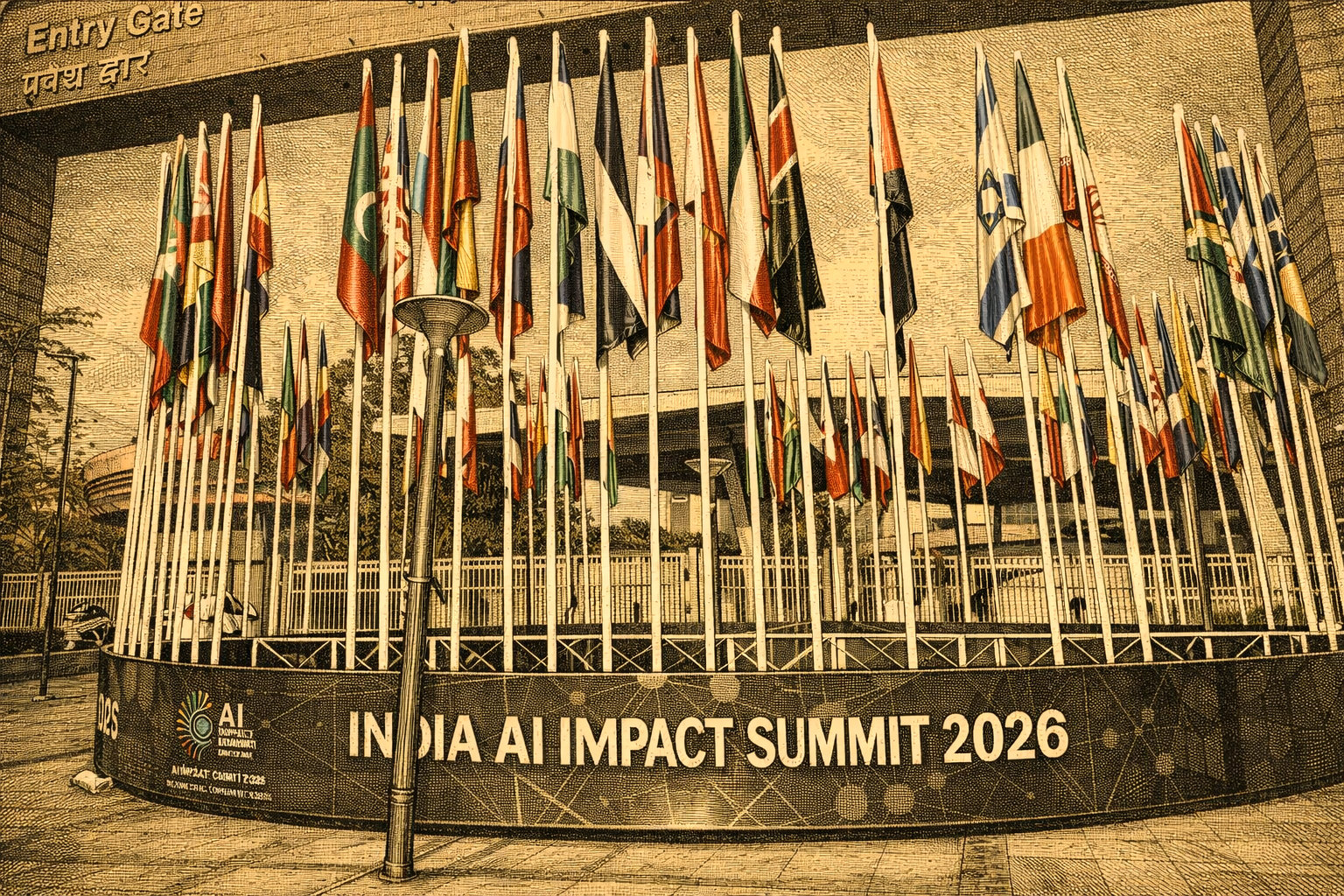
Can We “Win” the AI Race Together?
The article argues that the “AI arms race” framing is colliding with the economics of AI. Governments want scale and interoperability, but also sovereignty: control over data, compute, models, standards and talent. Since the full stack is too costly for most states, sovereignty becomes modular risk management, and energy constraints make compute a strategic bottleneck. Cloud regions still sit under jurisdiction, so access can become a bargaining chip.
Collaboration still pays where externalities cross borders: safety science, benchmarking, incident sharing and interoperable standards. This creates layered coexistence: open coordination at the bottom, control at the frontier. The U.S. pairs safety cooperation with export controls, the EU pools capacity via the AI Act and AI Factories, China enforces tight domestic rules and India bets on sovereignty-through-access and open ecosystems. The takeaway: treat access risk, energy and standards as first-order strategy variables.

Stop Doomscrolling, and Start Stress-Testing: How Geopolitics Hits the Economy and Your Wallet
On Saturday, my phone didn’t just buzz… it practically tried to achieve orbit!
I had actually managed to fall asleep like a responsible adult who swears they’re “cutting back on news,” and then woke up to an avalanche of alerts about a major geopolitical rupture in Venezuela. You know, the kind of headlines that makes you blink twice and think, “oh, geeze… not again! Not another one!” Somewhere in my brain, the Chris Farley meme was already putting on its awful, brown tie and reporting for duty: “Getting pretty tired of living through historical events.”
That joke may be doing an irresponsible amount of emotional labor right now. And for that, I apologize.

If AI Is the Deal, the Surcharges Are the Catch. (Time to Read the Fine Print)
Michael Burry has a knack for walking into the party right when the music is loudest and asking where the fire exits are.
In 2005, that meant shorting the U.S. housing market while everyone else was busy securitizing granite countertops. Today, it means betting against the AI trade while the rest of us are delighting in auto-drafted emails and AI-polished pitch decks. On paper, he is “short AI.” In practice, his long game is quieter and more elemental: water rights, water-rich farmland, water utilities.
He is betting on scarcity against a story that pretends resources are infinite.