

Column
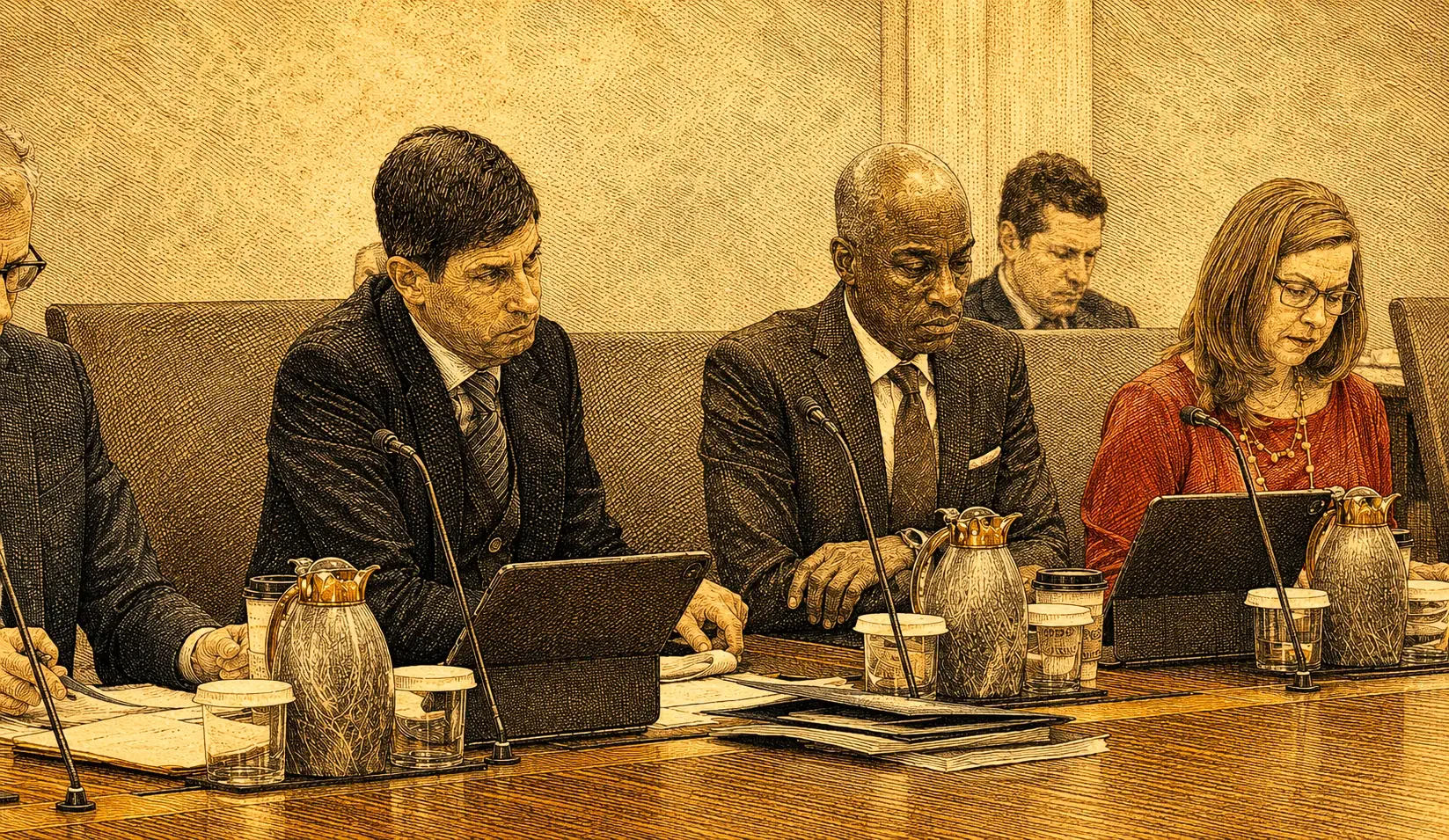
The Fed’s Balance-Sheet Fight Is Bigger Than One Rate Decision
The article argues that Warsh’s first major Fed signal was not the June rate hold but his task force reviewing the Fed’s balance-sheet framework. After QT ended in late 2025 and reserves reached the ample-reserves floor, the fight shifted from runoff speed to the operating system of post-2008 monetary policy. The balance sheet affects duration risk, term premia, repo markets, bank reserves, mortgage finance and the Fed’s ability to control short rates.
It presents the case for a smaller portfolio: fewer distortions, clearer fiscal-monetary boundaries, less political exposure and more room for future crisis response. But shrinking too far risks plumbing failures, as 2019 repo stress showed. Reserve demand, payment needs and repo capacity may bind before policymakers expect. The piece concludes that Warsh’s test is disciplined redesign, not ideological shrinkage; balance-sheet policy now sits at the core of monetary policy.