

Column
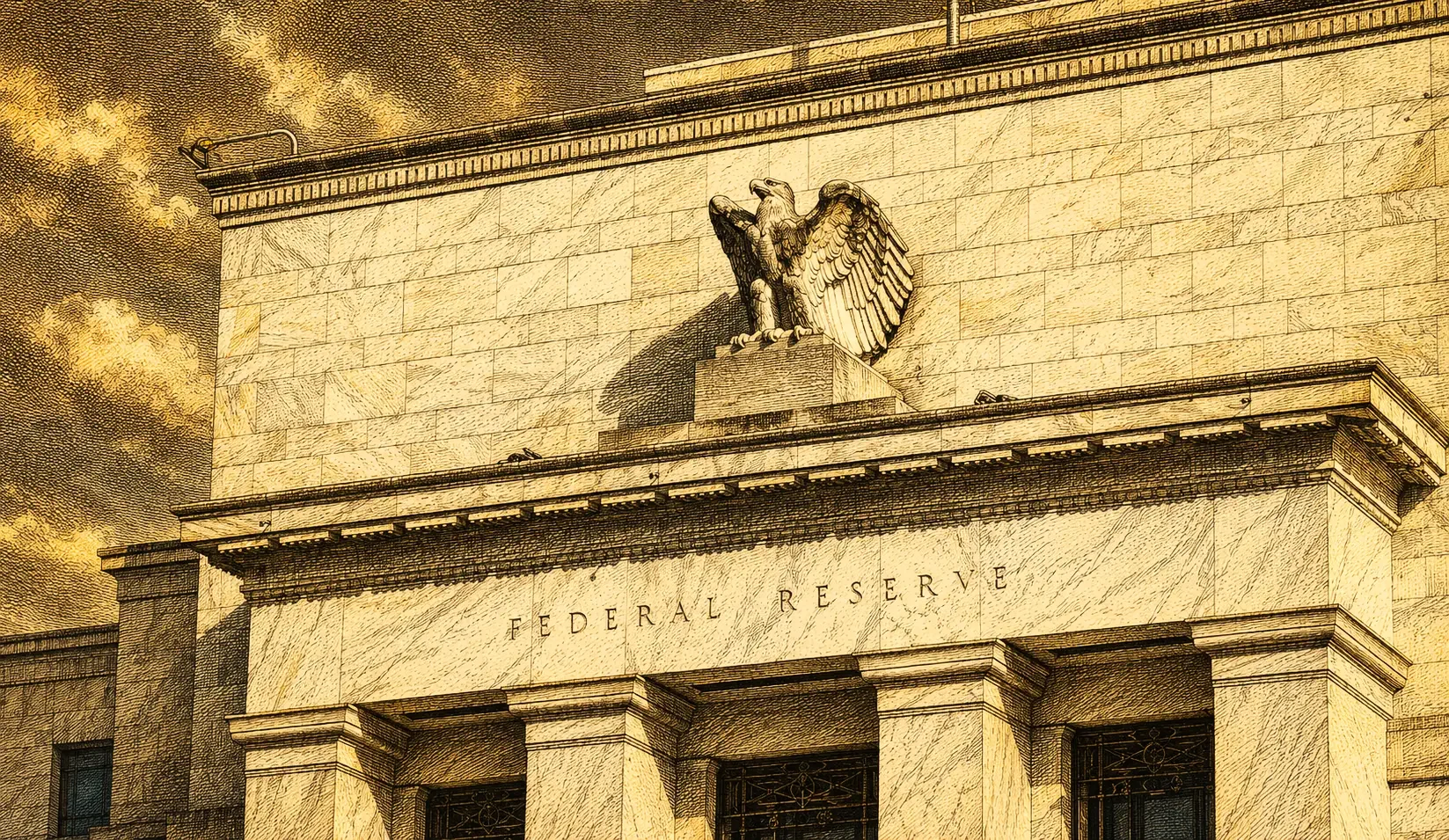
The 114-Word Central Bank
The article argues that Kevin Warsh’s 114-word June FOMC statement marks a deliberate break from the post-2008 era of expansive Fed communication. Using Sims’s rational inattention framework, it explains why longer statements never meaningfully reached ordinary households. Most people process Fed communication through a narrow channel, reducing complex guidance to a basic directional signal about rates, inflation or mortgage costs.
The effects of shorter communication are therefore asymmetric. For households, little changes because the removed detail was never absorbed. For markets and professional Fed-watchers, the withdrawal matters because high-capacity audiences scrutinize every word, shifting attention to press conferences, minutes and speeches. The article extends the logic to news feeds, arguing that falling engagement reflects rational bandwidth management in a noisy policy environment. Shorter is not dumber, but simplicity must not become silence.

The Fed's Communication Channel is a Broken Functor
The article argues that the Federal Reserve’s biggest problem today is not inflation itself but the failure of its communication to reach ordinary households. While actual inflation has fallen to around 2.7%, many Americans still expect much higher inflation and feel pessimistic about the economy, leading them to behave as if inflation is still a crisis. Using an analogy from category theory, Mardoqueo explains that the Fed’s intended communication chain, from Fed announcements to financial markets to household expectations, no longer works for most people because households pay more attention to everyday prices like groceries than to markets or Fed statements. As a result, inflation expectations remain unanchored, weakening the Fed’s credibility at a sensitive political moment. Until the Fed finds a way to fix or adapt to this broken communication channel, the gap between economic reality and public perception is likely to persist.