

Column

Is Peer-to-Peer Investing a Smarter Bet on the Real Economy?
Peer-to-peer lending is resurfacing as stocks swing and housing stays unaffordable, pushing investors toward cash flows tied to household credit. In the U.S., this usually means buying notes backed by unsecured consumer loans, with no FDIC insurance and real default risk. The market has moved from hands-on “peer” picking to platform-led underwriting and automated allocation, funded increasingly by passive and institutional capital. Studies suggest platforms sometimes use information beyond FICO, and refinancing can improve borrower balance sheets in the short run.
But the article warns that innovation is not immunity. Early Prosper investors mispriced risk, and today’s fee-driven platforms still embed originate-to-distribute incentives and model risk. In stress, funding can vanish when investor trust breaks. Research links fintech loans to higher default rates and sensitivity to rate hikes. Treat P2P as a small, higher-risk credit sleeve, not a safe haven.
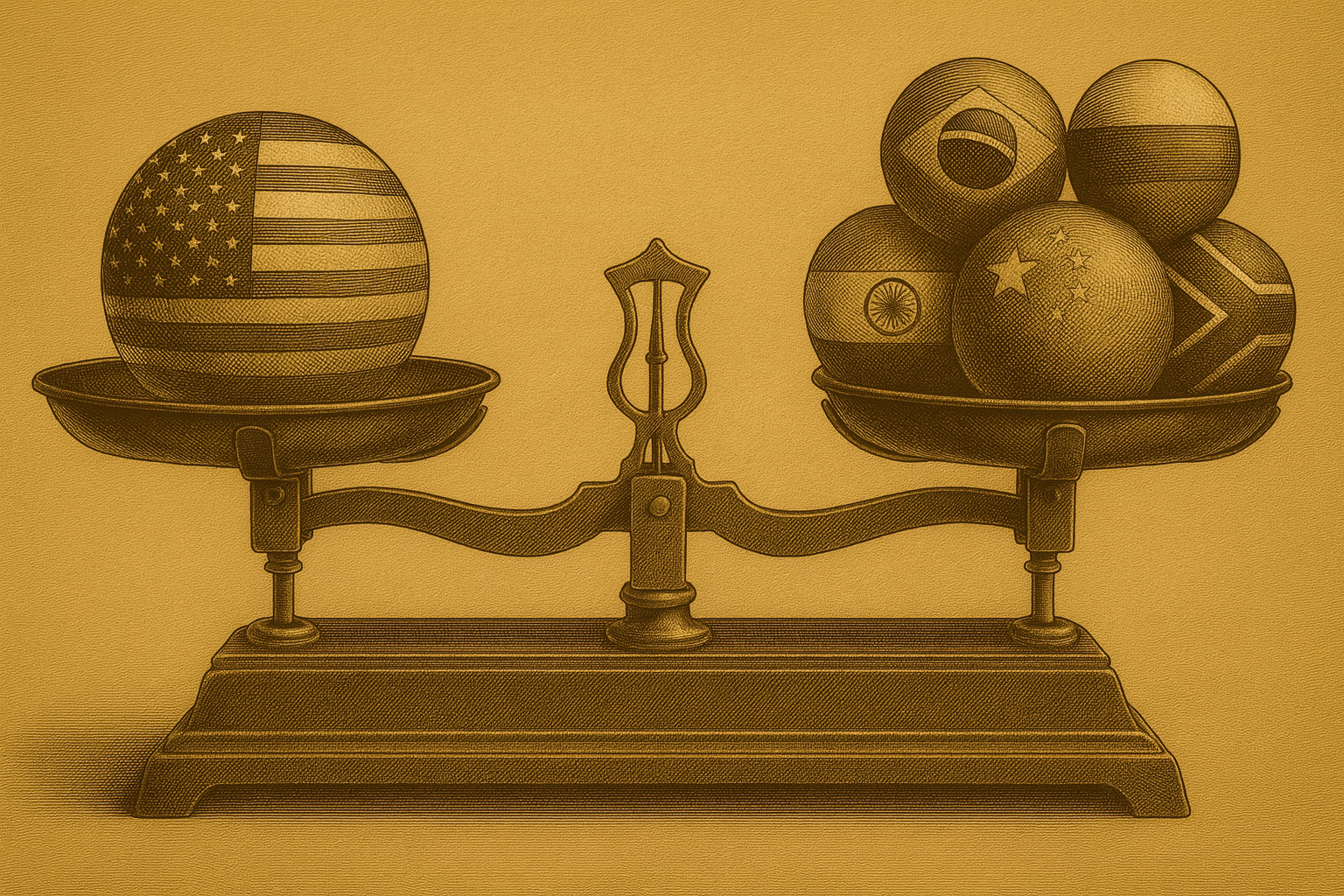
BRICS, the Dollar, and the Real Economics Behind the Global Power Shift
For context, I am currently staying in New Delhi. And during Putin’s recent visit to India, the city took on a charged, contemplative mood. Conversations among colleagues and clients kept circling back to a familiar question: Is the world finally tilting away from the United States and toward a BRICS bloc? Well, while Putin was in town, I attended a talk hosted by the Chintan Research Foundation that explored the state of India-Russia relations and the shifting dynamics inside a BRICS / Eurasian Economic Union grouping that continues to expand and evolve. The timing made the discussion feel especially immediate.
Sitting there, I understood why so many people ask whether the United States is losing its grip. I hear the fear frequently from colleagues and clients. They see BRICS expanding. They see the headlines about de-dollarization. They watch policymakers spar over sanctions, AI, and global rules. And they wonder whether the world is moving into a new era where the dollar stumbles and a coalition of emerging economies seizes the strategic high ground.

Markets Are Trading on Uncertainty. But Households Don’t Have To.
In normal times, markets lean on two anchors: steady data and clear central-bank guidance. In 2024–2025, both feel loose. Measures of U.S. policy uncertainty have hit multi-decade highs, and investors are reacting less to trends than to each new twist in the story.
What looked like a near-certain December rate cut suddenly became “less clear-cut and less certain” after Fed officials publicly split; the October 2025 meeting produced rare dissents in both directions, and Chair Powell cautioned that another cut was “not a foregone conclusion.” The policy path has been a moving target, and markets are trading on that uncertainty rather than clarity.