

Column

What Agentic AI Actually Changes
The article argues that the core economic feature of agentic AI is discretion. Unlike traditional automation, agents can interpret objectives, choose tools, revise plans and decide when a task is complete. That flexibility creates value because it lets software handle ambiguity and exceptions, but it also makes costs less predictable as reasoning, tool use, retries, verification and human review vary across tasks.
The relevant metric therefore shifts from cost per model call to cost per completed objective. The piece introduces an “autonomy frontier”: additional discretion helps until its value begins to flatten while compute costs, latency and operational risk keep rising. The goal is not maximum autonomy, but the right authority for the task. Enterprises should define tool access, spending limits, approval points, verification and escalation rules, treating agent design as an economics-of-delegation problem before an architecture problem.

AI Exposure Is Highest Where the Desks Are
The article argues that AI’s first automation shock is likely to hit richer economies harder because their labor markets contain more clerical, professional and digital work. Developing economies face lower immediate exposure, but that is not pure protection. It often reflects weaker electricity, connectivity, institutions and managerial capacity, which limit their ability to turn AI adoption into productivity gains.
Using the proposed Google data center hub in Visakhapatnam as a test case, the piece warns that hosting compute is not the same as building technological sovereignty. Data centers can bring infrastructure, jobs and cloud access, but they also consume scarce power, water and public concessions. The article argues developing economies should prioritize adoption and adaptation before frontier imitation, approving large AI infrastructure only when it leaves behind durable capability, local value capture and broad economic benefit.
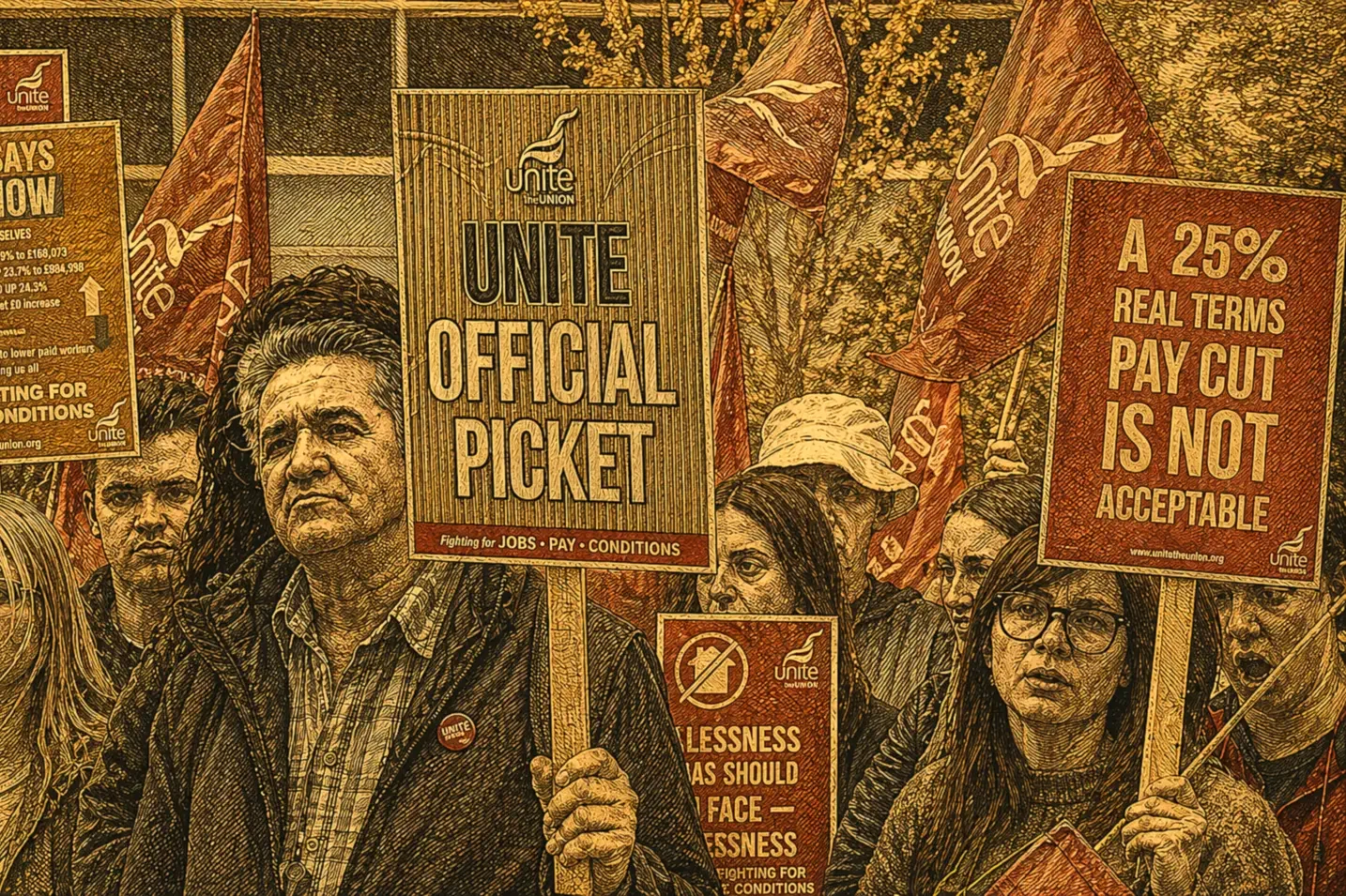
AI-Driven Power Dynamics: A New Era in the Long History of U.S. Labor Rights
The article argues that today’s difficult job search is not a temporary Gen Z shock but a structural shift in bargaining power toward employers as AI reduces labor demand. After the post-COVID tech hiring boom, overhiring unwound into layoffs and tighter openings. Long jobless spells and weak outside options make workers quieter at work. As automation substitutes for routine tasks, workers accept weaker pay and terms, cling to jobs out of fear and report burnout.
It situates this in a longer U.S. arc where labor protections expanded in the mid-20th century then eroded after the 1980s as unions weakened and capital gained leverage. AI is framed as an accelerant that can decouple growth and profits from job creation. The piece calls for policy responses including UBI, UBE and sovereign wealth dividends to restore baseline security and worker bargaining power.

Universal Basic Income in an AI-Driven Age Part 2: Architecting a Fair Policy
The article argues that universal basic income should not be dismissed in an AI-driven economy, but that its value depends entirely on how it is designed. As automation erodes entry-level jobs and unemployment among graduates remains high, retraining alone is unlikely to solve labor displacement. In that context, a carefully implemented UBI could provide basic economic security, allowing individuals to weather job loss and pursue education or career transitions without immediate financial strain.
At the same time, the article warns that poorly designed UBI programs could reinforce power imbalances and limit mobility. Income thresholds risk creating “cliff effects” that discourage wage growth, while centralized control over eligibility and messaging may deepen class divisions. The author concludes that any serious UBI proposal must focus on incentives, governance, and framing to ensure it empowers recipients rather than entrenching dependence.

Why I'm Betting on Bodies, Not Just Brains
If you have been reading this blog for a bit now, you know we have been skeptical of the “AI Bubble.” Our skepticism, or at least my own, has mostly centered around the economic implementation lagging the hype. We spent the better part of 2025 watching companies buy massive amounts of GPU compute to build smarter chatbots, yet aggregate productivity statistics barely budged. (Yes, we have some data now that shows the effects of AI on productivity but not nearly as much as you would think).
While the market was distracted by the “Brain” trade (LLMs, data centers, and NVIDIA chips), you may have missed the momentum building in the “Body” trade.
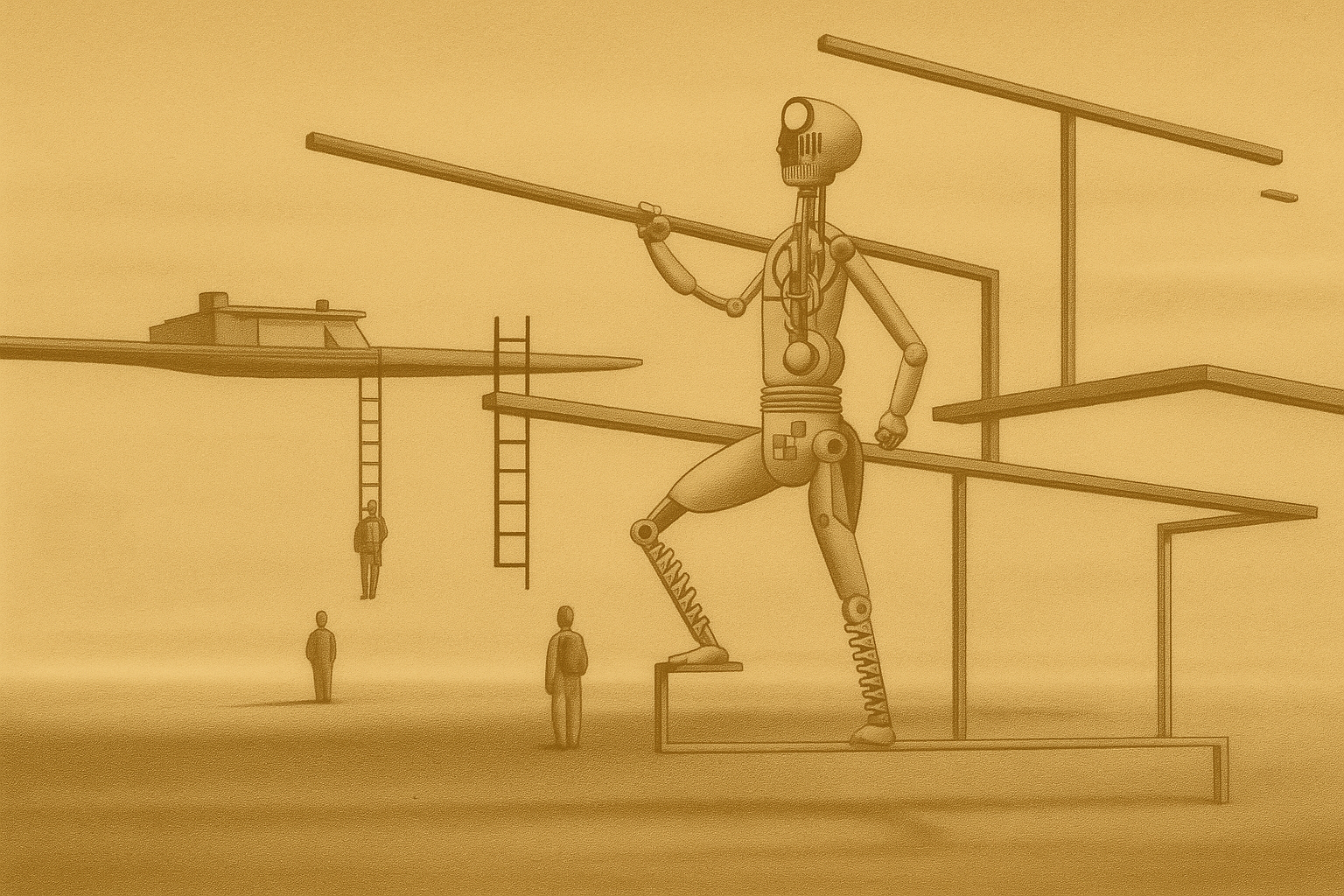
The AI Paradox: Why Your New Colleague Is Only Coming for Your Entry-Level Job
Last week, I attended a gathering of economists and data scientists from major tech companies, all focused on how technology is reshaping business and work. Practitioners swapped insights on everything from labor market trends to AI experiments. The AI revolution promises to upend how we work and this is happening against the current backdrop of the “pause economy” with hiring and investment in a cautious lull. The discussions ranged from the cooling tech job market to cutting-edge methods in causal inference and AI measurement, and deeper questions about whether AI is a substitute for human work or a “bicycle for the mind.”

Sorry to Burst the Bubble! Why AI’s Promise Won’t Deliver Without a New Economic Framework
It began with headlines.
“Amazon cuts 14,000 corporate jobs as spending on artificial intelligence accelerates.”
“Salesforce CEO: ‘I need less heads.’”
“Meta axes 600 roles amid AI expansion.”
Each announcement laced with brutal irony, revealing companies not in distress but actually flourishing through the very mechanisms that deemed their hires expendable. Fair is fair, though, right? Nothing illegal happened, and technically this is an expectation of the marketplace. So, one can only wish these families all the best… right?
Then came the tag: “AI and robots will replace all jobs,” making work essentially “optional, like growing your own vegetables.”