

Column
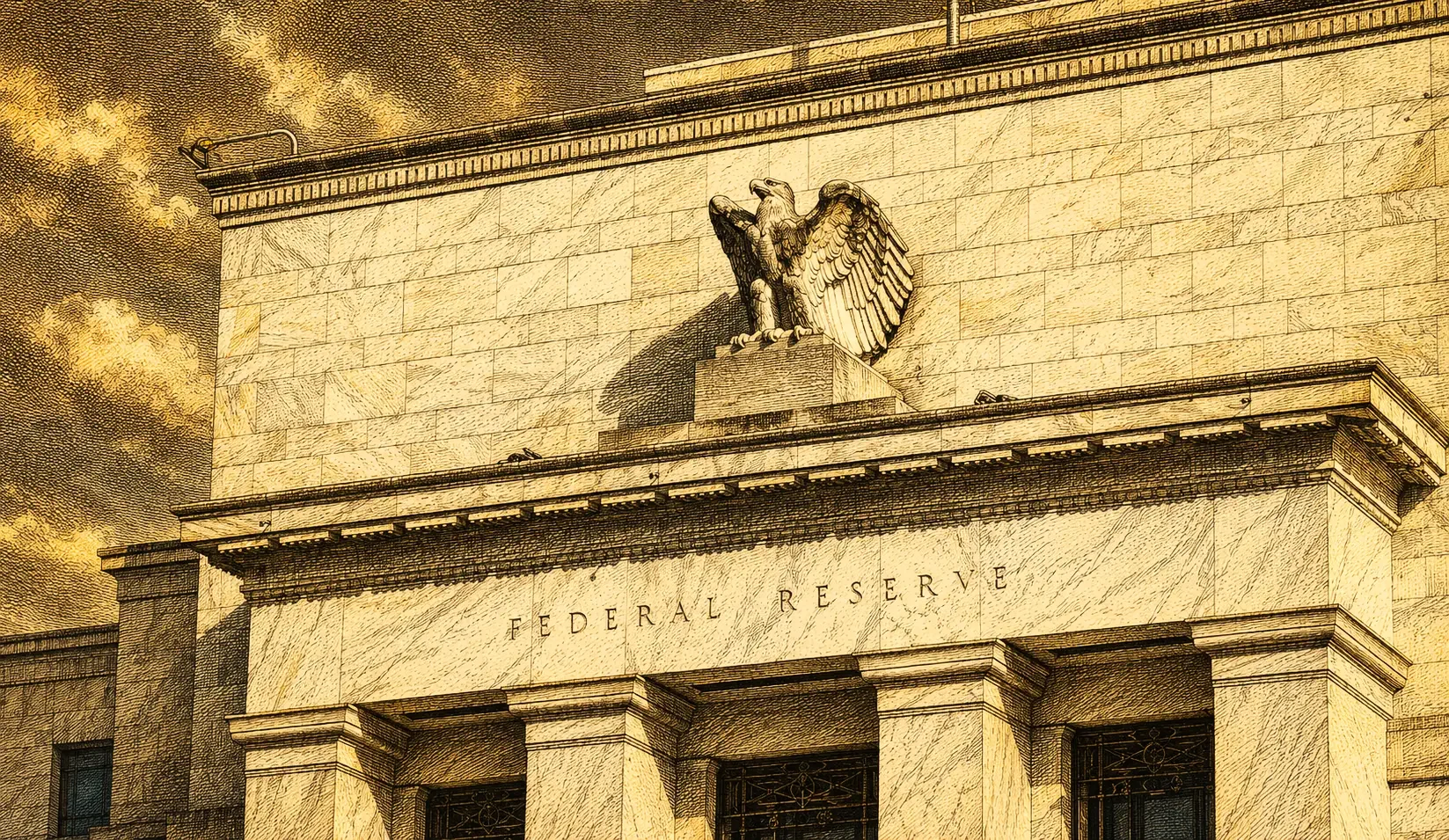
The 114-Word Central Bank
The article argues that Kevin Warsh’s 114-word June FOMC statement marks a deliberate break from the post-2008 era of expansive Fed communication. Using Sims’s rational inattention framework, it explains why longer statements never meaningfully reached ordinary households. Most people process Fed communication through a narrow channel, reducing complex guidance to a basic directional signal about rates, inflation or mortgage costs.
The effects of shorter communication are therefore asymmetric. For households, little changes because the removed detail was never absorbed. For markets and professional Fed-watchers, the withdrawal matters because high-capacity audiences scrutinize every word, shifting attention to press conferences, minutes and speeches. The article extends the logic to news feeds, arguing that falling engagement reflects rational bandwidth management in a noisy policy environment. Shorter is not dumber, but simplicity must not become silence.

The Fed’s Balance-Sheet Fight Is Bigger Than One Rate Decision
The article argues that Warsh’s first major Fed signal was not the June rate hold but his task force reviewing the Fed’s balance-sheet framework. After QT ended in late 2025 and reserves reached the ample-reserves floor, the fight shifted from runoff speed to the operating system of post-2008 monetary policy. The balance sheet affects duration risk, term premia, repo markets, bank reserves, mortgage finance and the Fed’s ability to control short rates.
It presents the case for a smaller portfolio: fewer distortions, clearer fiscal-monetary boundaries, less political exposure and more room for future crisis response. But shrinking too far risks plumbing failures, as 2019 repo stress showed. Reserve demand, payment needs and repo capacity may bind before policymakers expect. The piece concludes that Warsh’s test is disciplined redesign, not ideological shrinkage; balance-sheet policy now sits at the core of monetary policy.
Monetary Policy for People Who Were Not Listening
Central bankers like to say that monetary policy works through expectations. A beautiful concept implying a public that is constantly calculating, analyzing, and adjusting to the Fed's subtle signals. But that sophisticated engine only runs, of course, if someone actually bothers to update those expectations. In a paper I have forthcoming in the Journal of Economic Analysis, I dig into this very question: Do U.S. households truly revise their core assumptions about inflation, interest rates, and housing when the Federal Reserve makes an announcement? The period I examined (2013 to 2021) was nearly a decade full of unconventional tools, "forward guidance," and agonizingly slow normalization. This was the perfect test bed to see how much of the Fed's careful communication truly reaches the public.
The short answer? It reaches them, but on very narrow terms.