

Column
AI-Driven Power Dynamics: A New Era in the Long History of U.S. Labor Rights
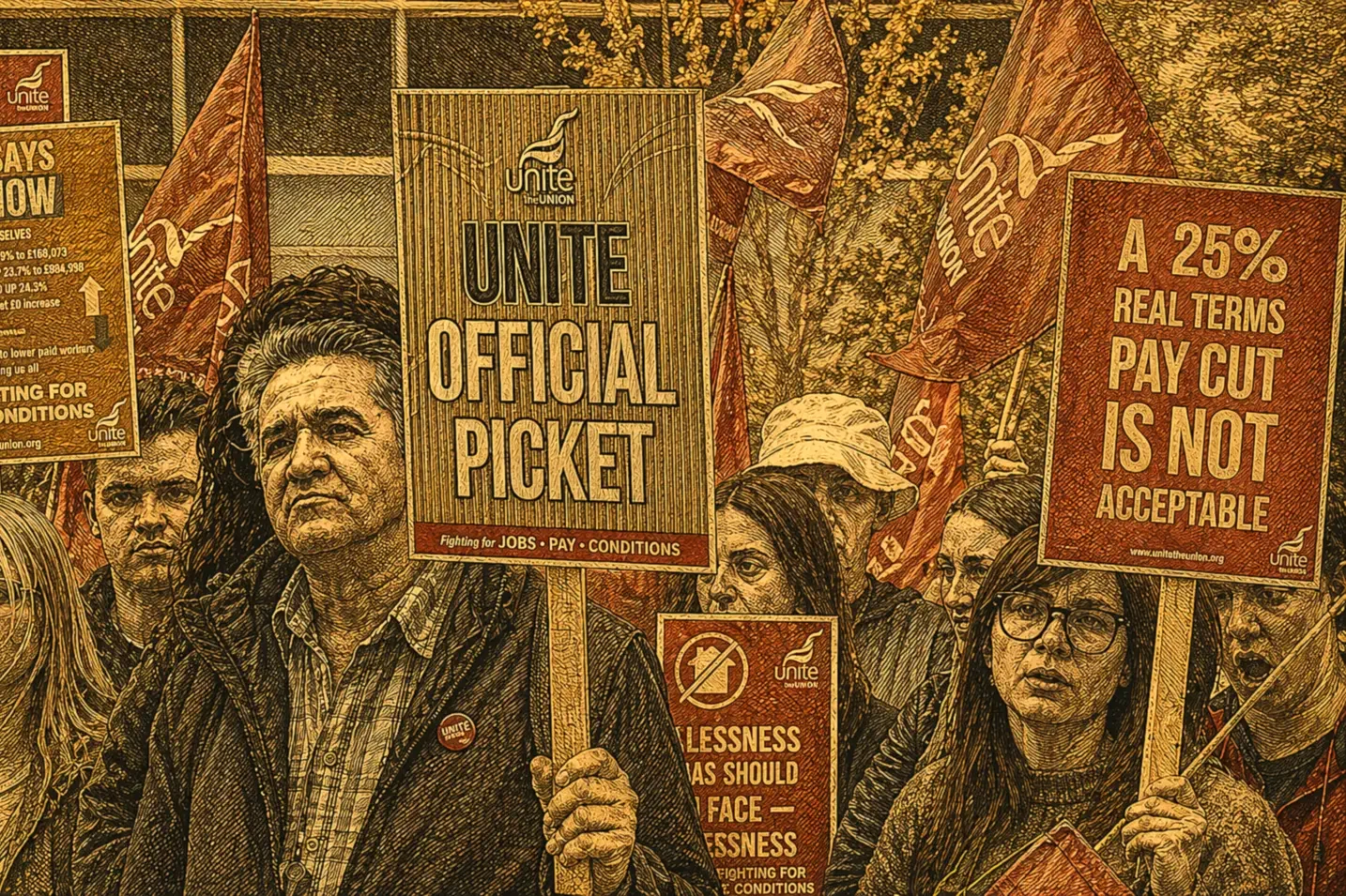
The article argues that today’s difficult job search is not a temporary Gen Z shock but a structural shift in bargaining power toward employers as AI reduces labor demand. After the post-COVID tech hiring boom, overhiring unwound into layoffs and tighter openings. Long jobless spells and weak outside options make workers quieter at work. As automation substitutes for routine tasks, workers accept weaker pay and terms, cling to jobs out of fear and report burnout.
It situates this in a longer U.S. arc where labor protections expanded in the mid-20th century then eroded after the 1980s as unions weakened and capital gained leverage. AI is framed as an accelerant that can decouple growth and profits from job creation. The piece calls for policy responses including UBI, UBE and sovereign wealth dividends to restore baseline security and worker bargaining power.
The Limitations of Means Tested Programs: Unemployment Benefits Won’t Solve Job Seekers' AI-Driven Labor Market Struggle
The article argues that rising inequality and longer jobless spells are exposing the limits of means-tested support. Unemployment Insurance reduces poverty, but weekly benefits rarely match living costs and coverage often ends before many searches do. Programs like the EITC require recent earnings, so households can fall through gaps once UI expires, even with other safety-net programs.
It argues that baseline security should be a rule, not an exception tied to narrow eligibility windows. The alternative is a three-part architecture with a UBI that avoids cliffs and time limits, UBE that offers a standing public job option and sovereign wealth dividends that return part of AI-linked tax gains. Firms can train graduates and hire more deliberately, but the core claim is that durable protection in an AI labor market requires policy.
The War Tax You're Already Paying
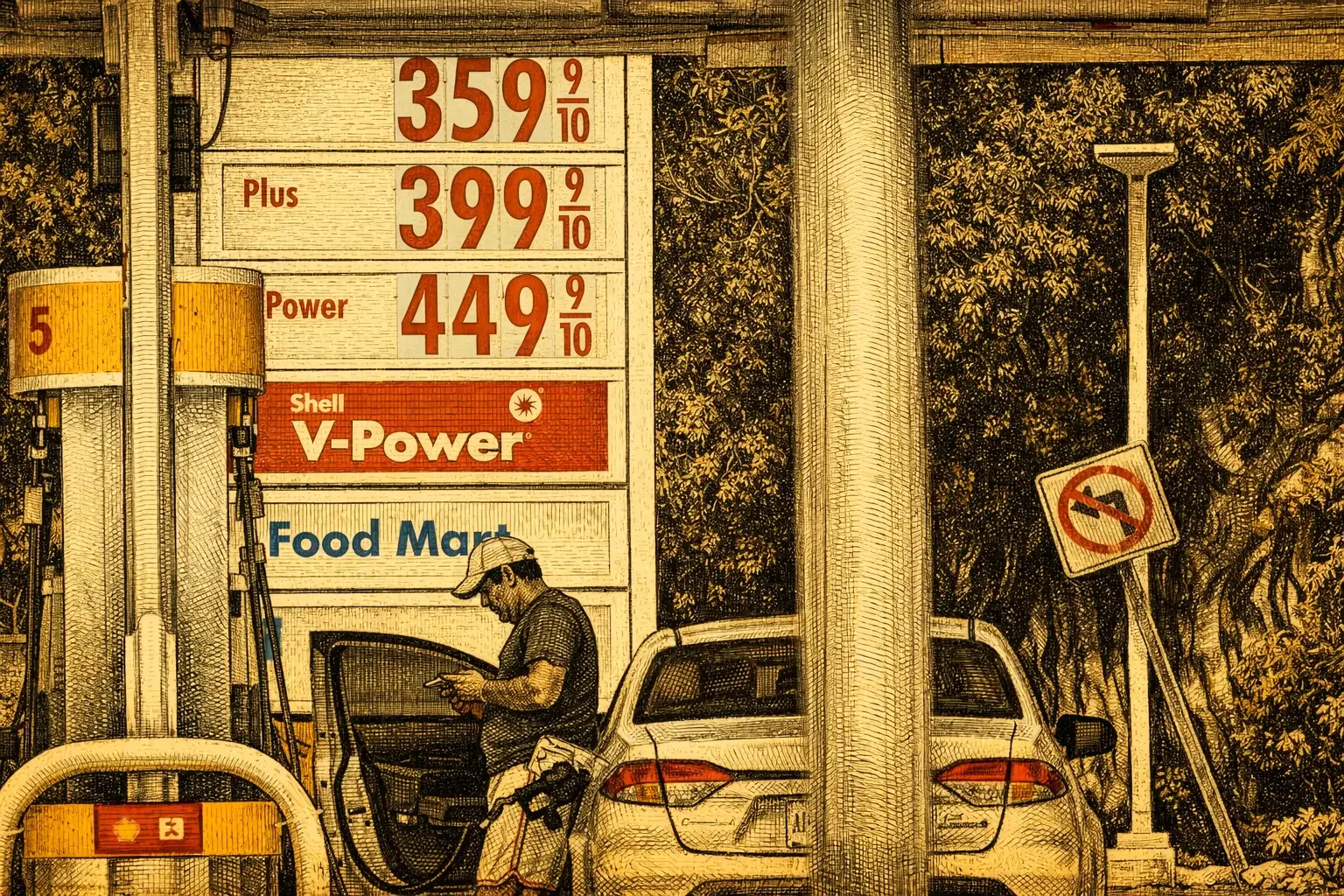
After U.S. and Israeli strikes on Iran, Iran’s closure of the Strait of Hormuz pushed crude above $100 and sent U.S. gasoline from $2.98 to $3.94 within three weeks. The article argues the immediate question is not geopolitics but incidence: a fuel shock functions like a regressive tax that bites hardest where gasoline is a large share of income.
Using estimates from Pantheon and Oxford Economics, it notes the bottom decile spends about 4% of income on gas versus 1.5% for the top, and a year at roughly $3.70 could add about $70B to household fuel outlays. Survey splits show sentiment holding up for equity holders while stagnating for everyone else, and state price gaps amplify the hit. The piece concludes the shock is already tightening budgets and complicating the Fed’s inflation trade-off.

Trillionaires and Layoffs? An Approach to Redistribute Companies’ AI-Related Wealth
The article argues that AI is widening the gap between owners and workers: job searches are taking longer and wealth is concentrating among those closest to AI profits. It treats UBI as a partial safety net but warns that UBI alone can deepen power asymmetries between recipients and the policymakers who control the rules.
To reduce dependence on UBI, it proposes an Alaska Permanent Fund-style "AI dividend": governments pool part of the tax revenue already collected from AI-linked corporate profits and pay citizens equal annual shares. The goal is a stable, diversified fund that cannot be captured by any single company or elite. Open questions include what counts as an AI company and whether the program should be state or national. The author argues this shares AI gains without betting everything on UBI or reopening major tax fights.

Universal Basic Income in an AI-Driven Age Part 2: Architecting a Fair Policy
The article argues that universal basic income should not be dismissed in an AI-driven economy, but that its value depends entirely on how it is designed. As automation erodes entry-level jobs and unemployment among graduates remains high, retraining alone is unlikely to solve labor displacement. In that context, a carefully implemented UBI could provide basic economic security, allowing individuals to weather job loss and pursue education or career transitions without immediate financial strain.
At the same time, the article warns that poorly designed UBI programs could reinforce power imbalances and limit mobility. Income thresholds risk creating “cliff effects” that discourage wage growth, while centralized control over eligibility and messaging may deepen class divisions. The author concludes that any serious UBI proposal must focus on incentives, governance, and framing to ensure it empowers recipients rather than entrenching dependence.

Exploring Universal Basic Income in an AI-Driven Age: Economic Security or Power Dynamics?
It's 2026, and as new AI tools seem to emerge every week while unemployment ticks up, some may ask: are we headed toward a Universal Basic Income scheme?
As more and more tasks become automated, from data analytics to summarizing reports and beyond, almost every person I've spoken to lives with a lingering fear that AI could replace their job. Without a job, a person must find an alternative way to pay their living expenses.
Enter the idea of Universal Basic Income (UBI). Under a UBI arrangement, each individual receives a minimum fixed payment, supposedly allowing them to live without earning an income from a job.

Sorry to Burst the Bubble! Why AI’s Promise Won’t Deliver Without a New Economic Framework
It began with headlines.
“Amazon cuts 14,000 corporate jobs as spending on artificial intelligence accelerates.”
“Salesforce CEO: ‘I need less heads.’”
“Meta axes 600 roles amid AI expansion.”
Each announcement laced with brutal irony, revealing companies not in distress but actually flourishing through the very mechanisms that deemed their hires expendable. Fair is fair, though, right? Nothing illegal happened, and technically this is an expectation of the marketplace. So, one can only wish these families all the best… right?
Then came the tag: “AI and robots will replace all jobs,” making work essentially “optional, like growing your own vegetables.”